From Bach to Braised Beef: 6 Traditional Dishes Loved by Locals in Leipzig
Walking into Leipzig feels like stepping into a centuries-spanning symphonic painting. The streets echo with the melodies of Bach, whose compositions seem woven into the very fabric of the city. Old bookshops line the cobbled streets, releasing the comforting scent of aging paper and leather bindings, whispering stories of intellectual fervor and artistic heritage. As dusk falls, the aroma wafting from lively taverns and cozy cafés completes the soul of this vibrant city—a city where history, music, and culinary tradition meet in a harmonious embrace.
For me, the most direct and intimate way to understand a place has never been through its landmark maps or tourist guides—but through a steaming bowl of food steeped in local affection and memory. Food, after all, carries stories and emotions that transcend language; it speaks of land, climate, community, and shared moments around the table.
During my days in Leipzig, I didn’t rush through a checklist of sights. Instead, I chose to slow down, follow the pace of the locals, and savor the city’s stories at the dining table. I found that the true essence of Leipzig was best experienced through its flavors—each dish a chapter in the city’s rich narrative. The following six dishes are beloved by Leipzigers, passed down through generations and cherished in homes and restaurants alike. More than just food, they are vessels of tradition and cultural identity, a way to connect with the city’s past and present.
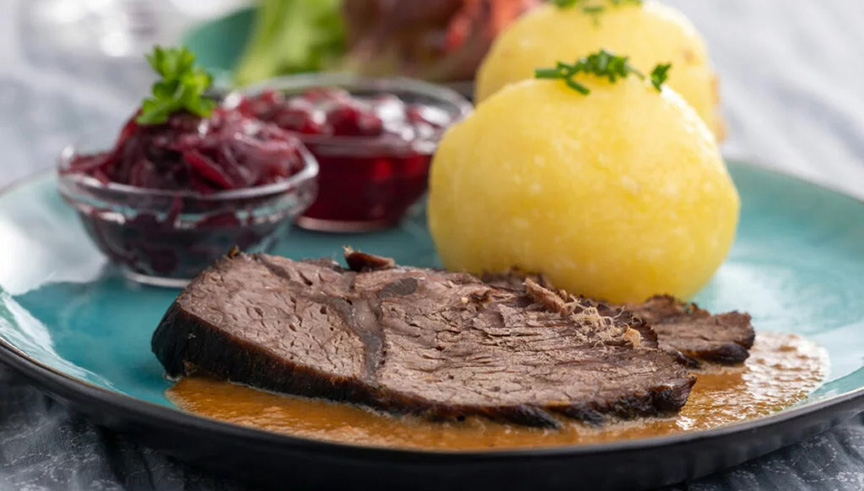
1. Leipzig Braised Beef (Leipziger Rindfleischragout)
When locals talk about the taste of home, many mention this seemingly simple yet highly refined beef stew. Leipzig Braised Beef is not the fiery, paprika-laden Gulasch that might come to mind for many travelers; instead, it is a gentler, more nuanced dish rooted in the rhythms of German home cooking. The difference lies in its subtlety and the care invested in coaxing rich flavors without overpowering the palate.
My first encounter with this dish was on a snowy winter afternoon, warmly invited into the kitchen of a local friend’s grandmother. The small, sunlit room was filled with the comforting aroma of beef slowly stewing with carrots, celery, and aromatic herbs. A large pot simmered quietly on the stove, releasing savory steam that promised solace from the biting cold outside.
A truly authentic Leipziger Rindfleischragout is slow-cooked to tender perfection—each cube of beef soft yet intact, bathing in a broth that is rich but never greasy. Cloves and bay leaves infuse the liquid with warm, earthy notes, while the balance of vegetables lends natural sweetness and depth. The secret, I learned, is patience: many families start preparations early in the morning, allowing the stew to bubble gently for hours so that flavors meld slowly and completely.
2. Leipzig Vegetable Medley (Leipziger Allerlei)
Leipziger Allerlei, literally “Leipzig medley,” is perhaps the city’s most iconic traditional vegetable dish, a colorful mosaic of fresh produce that speaks to Leipzig’s agricultural heritage and culinary adaptability. The dish’s origins trace back to the aftermath of the Napoleonic Wars when Saxony’s aristocracy sought to impress visitors with a display of local bounty. Interestingly, the original recipe was far from vegetarian—it once included luxurious ingredients like lobster tails and calf brains, showcasing the grandeur of Saxon court cuisine.
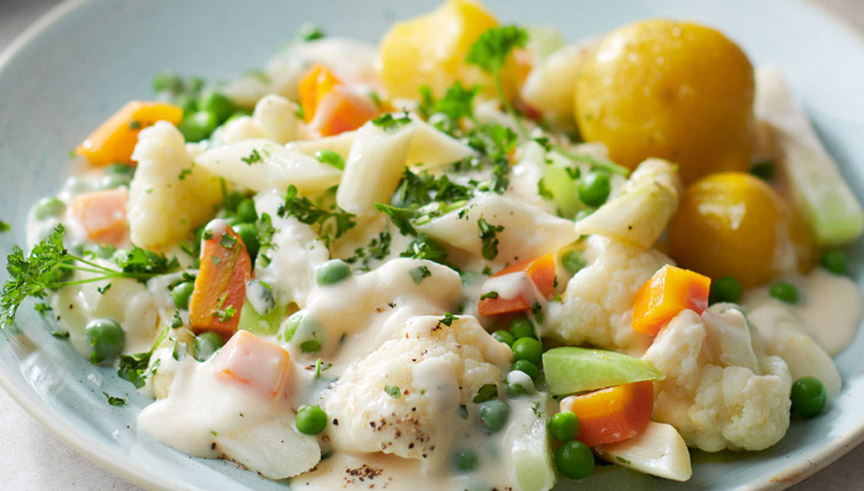
During a visit to a rustic inn called Thüringer Hof, I tasted a modernized and more accessible version of Leipziger Allerlei. The plate was a vibrant celebration of spring’s first offerings: crisp carrots, sweet green peas, tender asparagus tips, and delicate cauliflower florets. These vegetables were cooked to just the right degree—soft enough to melt on the tongue, yet still retaining a fresh snap. They were lightly sautéed in butter and cream, allowing their natural flavors to shine through, and finished with a sprinkling of fragrant herbs and a gentle dusting of Parmesan cheese.
3. Pickled Cucumber Pork Knuckle Stew (Sächsischer Sauerbraten mit Gurke)
Sauerbraten is a classic German pot roast, but Leipzig offers its own distinctive twist: Sauerbraten mit Gurke, a pickled cucumber pork knuckle stew that combines tradition with playful acidity. Unlike the heavier, wine-laden Sauerbraten recipes found in western Germany, Leipzig’s version embraces brightness and balance.
The pork knuckle, a cut rich in connective tissue and flavor, is marinated for a full day in a brine of red wine vinegar, onions, spices, and most importantly, thin slices of tangy pickled cucumber. This ingredient cuts through the richness of the meat with its refreshing sourness, adding layers of complexity to the dish’s flavor profile.
I had the pleasure of tasting this dish at Zum Arabischen Coffe Baum, one of Leipzig’s historic taverns. The pork was tender and succulent, perfectly complemented by the zesty, aromatic broth. Served with fluffy potato dumplings and a side of braised white cabbage, the meal felt both hearty and balanced—comforting yet far from heavy.
For Leipzigers, Sauerbraten mit Gurke is more than just sustenance. It is a dish deeply intertwined with festive occasions and holiday gatherings, especially Christmas, evoking a sense of celebration, family, and that quintessential Saxon love of harmonizing sour and savory flavors. Eating it feels like tasting the city’s warmth and resilience through the centuries.
4. Cheesecake Layer Cake (Eierschecke)
Leipzigers’ passion for desserts finds a perfect expression in Eierschecke, a layered cheesecake-like cake that manages to strike a delicate balance between richness and lightness. While this cake can be found throughout Saxony, Leipzig’s version is celebrated for its harmonious layering and subtle, refined flavors.
During a quiet afternoon in a quaint café nestled on the city’s west side, I enjoyed a freshly made slice of Eierschecke, lovingly crafted by hand. The base layer was a slightly tangy fermented dough, offering a firm yet soft foundation that supported the cake’s layers without overpowering them. The middle layer was a smooth, creamy blend of vanilla-flavored quark cheese and egg custard, imparting a gentle sweetness and silky texture.
The top layer was the star: an airy, fluffy baked egg foam that added lightness and a melt-in-the-mouth quality to the cake. Unlike the dense and heavy New York-style cheesecakes that dominate international dessert scenes, Eierschecke feels like a delicate cloud—a perfect choice for those who crave something sweet yet subtle.
5. Saxon Jellied Pork (Sächsische Sülze)
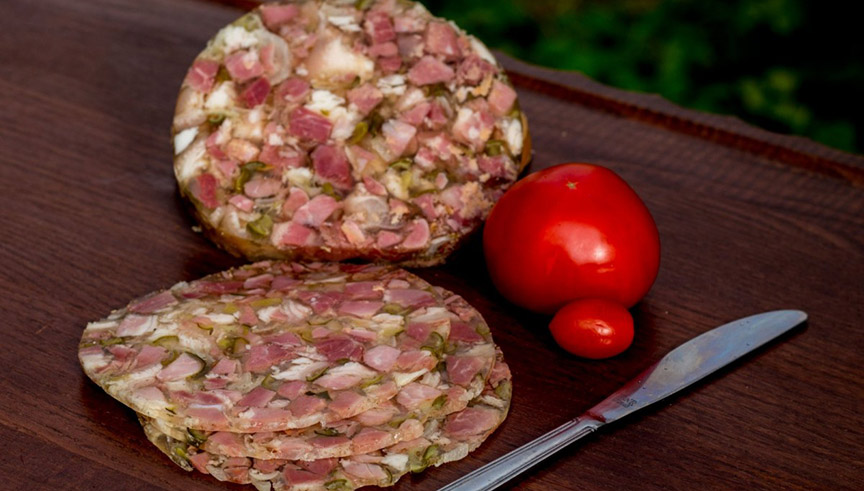
One of the more curious culinary discoveries I made was at a bustling farmers’ market on the outskirts of Leipzig. Among the colorful stalls and fragrant fresh produce stood a dish wrapped in translucent jelly, encasing chunks of meat and bright vegetable bits. This traditional cold appetizer is known as Sächsische Sülze, or Saxon jellied pork.
Though its appearance might initially seem off-putting to some, its unique texture—firm yet tender—and clean, tangy taste quickly won me over. The jelly is made by slowly cooking pork skin, meat, vinegar, carrots, and herbs, then cooling the mixture until it solidifies into a flavorful gelatin. This preservation technique is both practical and delicious, offering a refreshing contrast to heavier dishes.
Sülze is usually served thinly sliced with pickled onions and dense rye bread, a classic Saxon combination that perfectly balances savory and sour notes. It is a popular summer dish, prized for its lightness and refreshment in warmer months.
The dish exemplifies a “minimal intervention” culinary philosophy, focusing on the purity of its ingredients and preserving their natural qualities without masking them with heavy spices or sauces. For those who appreciate authentic, straightforward flavors and the art of traditional preservation, Sülze offers a delightful window into Saxon culinary tradition and respect for honest ingredients.
6. Beer-Braised Cabbage with Sausage (Bierkohl mit Wurst)
No traditional German meal would feel complete without the hearty presence of sausage, and in Leipzig, the beloved dish of beer-braised cabbage with sausage truly embodies the spirit of the city’s lively pub culture. At the historic Brauhaus an der Thomaskirche, I found a cozy spot by the window, gazing at the impressive stone façade of St. Thomas Church while savoring this hearty dish.
The fresh cabbage is slowly simmered in rich, dark beer, infused with fragrant spices such as cumin, black pepper, and sautéed onions. This slow cooking process allows the cabbage to absorb the deep maltiness and slight bitterness of the beer, resulting in a robust yet balanced flavor that feels earthy and comforting.
The sausage served alongside is made locally from coarse-ground meat, first grilled to develop a smoky crust before being briefly stewed in the beer sauce. This step infuses the sausage with additional layers of flavor and juiciness, making every bite a satisfying mix of smoky, savory, and slightly tangy notes.
Paired with a freshly poured local beer, this dish is a favorite among Leipzigers as a way to relax and unwind after a long day of work. Eating Bierkohl mit Wurst isn’t just about satisfying hunger—it’s a ritual of comfort, camaraderie, and connection to the city’s rich brewing and culinary heritage.
Remembering a City Through Taste
Some say Bach’s music flows as naturally as air in Leipzig. I believe the city’s food shares the same quality: humble yet intricate, familiar yet quietly stirring. Every bite is a story aged over time, every meal a dialogue with the past.
In a city renowned for its music and ideas, it was the simple, authentic flavors of these traditional dishes that allowed me to truly understand Leipzig’s rhythm and soul. The next time I set foot in this remarkable city, I know it won’t just be my ears that are touched—my stomach will be ready to fall in love all over again.


You May Also Like

Unique Accommodation Experiences in Prague: From Luxury Hotels to Retro Hostels

Ordino, the Pyrenean Beauty of Andorra