First Time in Calgary: Finding a Travel Rhythm Between the City and the Rockies
I arrived in Calgary for the first time early one morning.
As the plane descended, I didn’t see a dense urban sprawl out the window; instead, I saw stretching plains and the faint silhouettes of mountains in the distance. It was a unique sight—the mountains were waiting in the distance before the city even came into view.
Stepping out of the airport, the air was dry, yet the sky was exceptionally clear—an unadulterated, brilliant blue. My first impression wasn’t one of “urban density,” but rather a profound sense of “spaciousness.”
It was only later that I came to understand that the city’s rhythm is fundamentally defined by the Rocky Mountains.
First Stop in the City: Calgary’s Cleanliness and Order
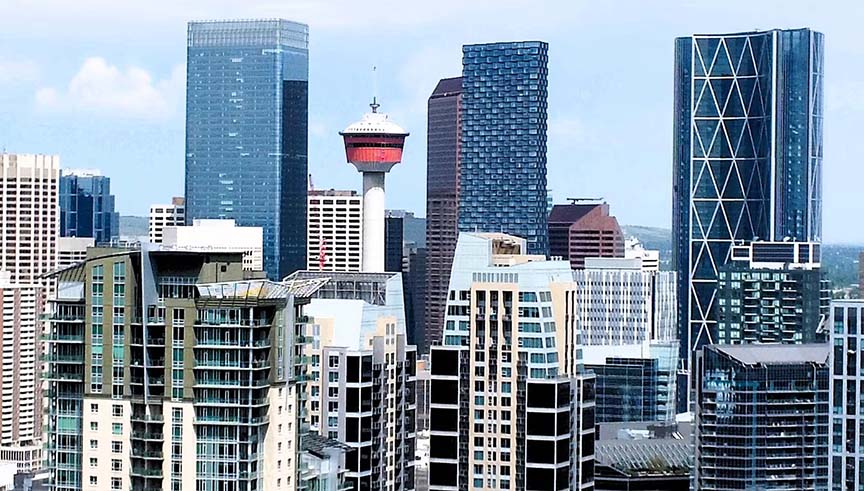
Upon entering the city center, Calgary struck me as clean, spacious, and well-structured.
The streets are straight, the high-rises aren’t densely packed, and traffic flows smoothly; there is no sense of being hemmed in or overwhelmed.
I stayed near the downtown area. When I went for evening walks, the city lights—while not dense—were neatly arranged. It lacks the “complexity” of a typical metropolis; instead, it feels like a hub that bridges urban living and the natural world.
The most striking feeling was this: you always know you can leave the city, because the mountains are right there, not far away.
Memories of the First Mountain Drive: Transitioning from City to Nature
My first full excursion from Calgary was a drive toward the Rocky Mountains.
Shortly after leaving the city limits, buildings became sparser, the roads opened up, and the sky seemed to expand.
As the distant mountains gradually came into sharper focus, I had a distinct realization: the city wasn’t the destination, but the starting point.
This transition felt incredibly natural, with no abrupt boundaries. You don’t suddenly “enter nature”; rather, you are gradually embraced by it.
This is one of Calgary’s most unique qualities—there is no sense of conflict between the city and the mountains.
Cowboy Culture: Another Side of Calgary’s Identity
Although I didn’t visit during the Calgary Stampede, the city still retained traces of that cowboy culture.
Cowboy elements appeared in restaurants, bars, and street decorations; leather, wood, and metal combined to create a distinctly “Western” atmosphere. While dining at a downtown restaurant, I noticed the servers were even dressed in Western-style attire.
It didn’t feel like a performance; it was simply a part of everyday life.
Calgary’s culture doesn’t rely on ostentatious displays; instead, it permeates daily life naturally.
The Road to Banff: Where the Journey Truly Begins
The drive from Calgary to Banff National Park was the leg of the trip I was most looking forward to.
As the car left the city, the plains gradually opened up, and the distant Rocky Mountains came into clearer view.
At first, they were mere outlines; then, layers emerged; finally, the full structure of the mountains revealed itself.
The scenery along the way shifted slowly but steadily.
I didn’t take many photos intentionally, as that kind of landscape is better suited for simply seeing rather than recording.
Upon entering the Banff area—with lakes, forests, and snow-capped peaks appearing all at once—I suddenly realized: Calgary is, in fact, a gateway to the natural world.
Returning to the City: Another Side of Calgary
After returning to Calgary from Banff, my understanding of the city felt more complete.
If nature represents “expansion,” then the city represents “contraction.”
I walked the familiar downtown streets again, but this time, the feeling was entirely different.
The skyscrapers, roads, cafes, and shops seemed lighter against the backdrop of the mountains.
Even the city noise seemed less significant.
Daily Experiences: A Slow-Paced Urban Life
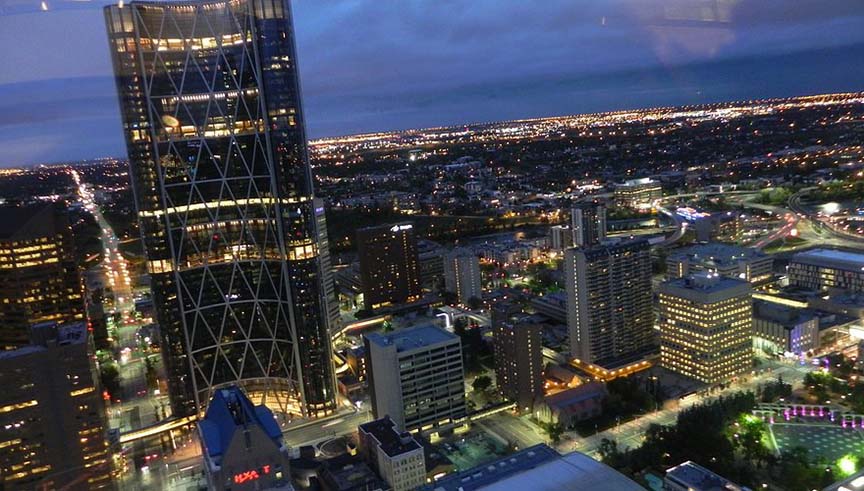
The most noticeable aspect of daily life in Calgary is its steady, unhurried rhythm.
Mornings are clean and quiet; crowds appear around midday but never feel overwhelming; and as evening falls, the city cools down and the pace slows once more.
I enjoyed coffee here and spent long stretches of time sitting in the parks.
The city is highly functional, yet it never feels oppressive.
It feels more like a “base for living” than a destination that needs to be conquered.
Calgary—A City That Exists for the Great Beyond
Before leaving Calgary, I stood downtown one last time, gazing toward the distance.
The sky was clear, and the mountain silhouettes remained visible—just a little further away. Looking back on the journey, the impression of Calgary that lingers most vividly isn’t the city itself, but rather its relationship with nature.
It is not a “tourist city,” but a “gateway city”—connecting the plains to the mountains, and the everyday to the distant unknown.
If I were to sum up my experience in a single sentence, it would be this:
The true significance of Calgary lies not within the city itself, but in the direction it forever points—toward the Rocky Mountains.


You May Also Like

A Gastronomic Expedition in Washington, D.C.: Exploring Multicultural Cuisine
Luxuriate in Elegance: Napa Valley’s Most Refined Hotels